
_result.jpg)


Fragile Antiques in Tolworth? Specialist Packing Options
Posted on 14/06/2026
If you own a mirror with a hairline crack, a grandfather clock that has survived three homes, or a porcelain set that makes everyone whisper before they sit down, you already know the problem: fragile antiques do not forgive rushed packing. In Tolworth, where moves often involve tight stairwells, awkward parking, and a fair amount of last-minute juggling, Fragile Antiques in Tolworth? Specialist Packing Options is not a luxury topic. It is the difference between a careful handover and a sickening clatter in the van.
This guide explains how specialist packing works, when it is worth paying for, what materials and methods actually help, and how to avoid the mistakes that cause chips, scuffs, and stress. If you are planning a house move, a flat move, or simply placing items into storage, you will find practical steps here that make the whole process feel a bit less nerve-racking. To be fair, antiques are rarely just "items" anyway.
Why Fragile Antiques in Tolworth? Specialist Packing Options Matters
Antiques are vulnerable in ways ordinary furniture is not. Age makes materials more delicate. Old adhesives can weaken. Veneer lifts easily. Glass becomes more brittle over time. Even a tiny knock can create damage that is expensive, difficult, or impossible to reverse. And unlike a modern table, an antique often has a story attached to it. That story matters.
In a local move around Tolworth or the wider KT6 area, the risks are not only about handling. Parking, loading distances, narrow hallways, shared entrances, and stairs all increase the chances of an item getting bumped or dropped. If you have ever watched a mover angle a tall cabinet through a doorway while someone else holds the front door and a third person checks for wall clearance, you know the margin for error is small. Very small.
Specialist packing options are designed to reduce that risk by matching the packing method to the object, not the other way around. That means custom support for shape, weight, age, surface finish, and fragility. A hand-painted vase does not need the same approach as a framed print. A marble clock base does not need the same protection as a lacquered side cabinet.
For larger moves, this often sits alongside broader planning, especially if you are booking house removals in Tolworth or arranging a move that also includes other high-value pieces. It can also complement advice from the company's packing guide for moving house, which is useful for organising the move as a whole rather than treating every box as identical.
Expert summary: the more age, fragility, surface detail, or sentimental value an antique has, the more you should think in layers: protection, support, immobilisation, and safe loading. Miss one layer and the whole plan weakens.
How Fragile Antiques in Tolworth? Specialist Packing Options Works
Specialist packing is not just "more bubble wrap." That would be the easy answer, and honestly, the wrong one. The process usually starts with a proper assessment of the item or collection. A good packer looks at the construction, weak points, detachable parts, existing damage, and how the object will behave under movement. A cabinet with loose joints, for example, needs stabilising before it is wrapped. A framed oil painting may need surface protection and rigid support rather than soft cushioning alone.
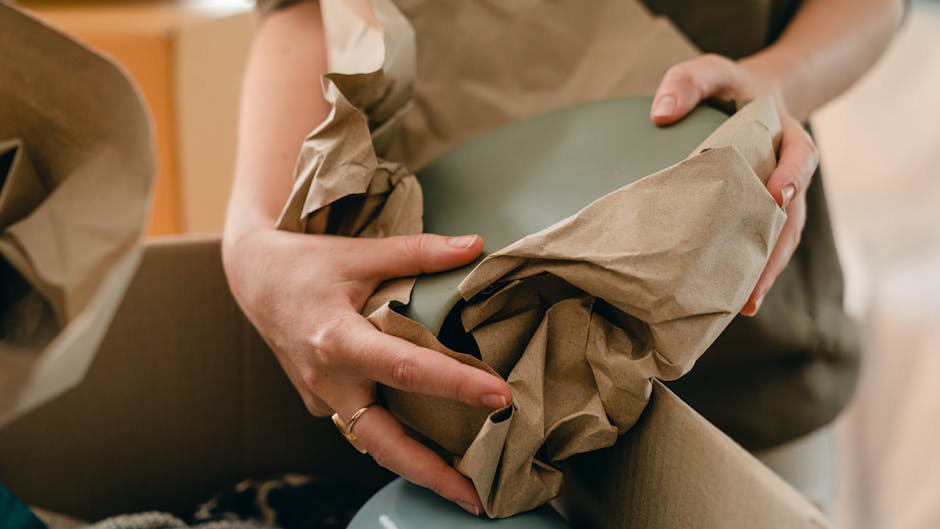
After that comes material selection. Depending on the item, you may need acid-free tissue, glassine, corner guards, foam wrap, double-walled boxes, custom crates, or furniture blankets. For some antiques, especially those with very fine detailing, the aim is not to squeeze the piece tightly but to create a stable "buffer zone" around it so that any vibration during transport is absorbed before it reaches the object.
Then the packing itself begins. The key is restraint. You want enough support to stop movement, but not so much pressure that you crush decorative edges, frames, gilding, or delicate inlays. This is where experience matters. A rushed pack often looks neat from the outside and fails on the first bump.
In practical terms, specialist packing often follows this pattern:
- Inspect the item and note vulnerable areas.
- Remove detachable parts where safe to do so.
- Protect surface finishes with suitable inner wrapping.
- Add structural padding around corners, edges, and protrusions.
- Use a rigid outer layer such as a box or crate.
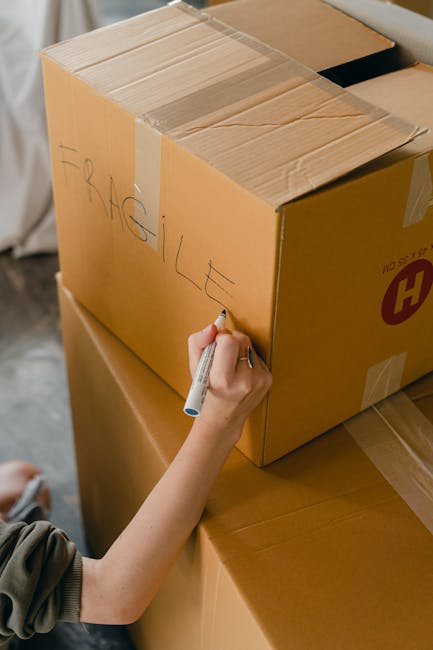
- Label the item clearly and load it in a protected position in the vehicle.
That final part is easy to miss. Packing and loading are joined at the hip. A beautifully wrapped antique still needs sensible placement in the van, with no heavy load sitting on top of it and no chance of it sliding when the vehicle brakes. If you want a broader sense of how moving crews think about the day as a whole, this article on a calmer moving experience gives a good feel for the planning mindset behind a smooth move.
Key Benefits and Practical Advantages
The most obvious benefit is damage reduction. That matters, obviously. But the real value of specialist packing is that it cuts several risks at once: physical damage, handling stress, loading confusion, and delayed unpacking. It can also make insurance discussions simpler if anything does go wrong, because the packing method is documented and professional rather than improvised with whatever was in the airing cupboard.
Another advantage is time. It sounds counterintuitive, because specialist packing takes longer at the start. Yet it often saves time later, particularly when items are grouped logically, labelled correctly, and loaded in a sequence that respects fragility. You do not spend the first hour at the new property hunting for the one box marked "misc." which, let's face it, is never reassuring.
There is also peace of mind. People who are moving antiques often worry not just about money but memory. A piece may have been inherited, found at a market years ago, or restored by a family member. It is not the same as replacing a dining chair. Specialist packing respects that difference.
- Better protection: layered cushioning and structural support reduce shocks and vibration.
- Cleaner handling: labelled, item-specific packing makes loading less chaotic.
- Lower stress: less guesswork, fewer "hope for the best" moments.
- Better storage readiness: properly packed antiques are usually safer to place into short- or medium-term storage.
- More confidence for fragile finishes: gilding, glass, veneer, and old paintwork are all treated more carefully.
If your move involves other awkward or high-value pieces, related specialist services can help too. For example, a piano should never be handled like standard furniture, which is why piano removals in Tolworth are approached very differently. The same principle applies to antiques: the object determines the method.
Who This Is For and When It Makes Sense
Specialist packing is a strong fit for anyone moving items that are delicate, rare, sentimental, or hard to replace. That includes private homeowners, downsizers, landlords clearing a property, collectors, and families dealing with inherited pieces. It is also a sensible option for people moving from a flat where stairs, lifts, or tight communal areas raise the odds of accidental knocks. If you are moving from a compact property, flat removals in Tolworth can make specialist handling even more valuable because the access conditions are often less forgiving.
It makes sense when the value of the item is high, but also when the item is simply irreplaceable to you. A chipped antique tray from a market may be worth modest money, yet still be the thing you would be most upset to lose. That emotional element is real. Not dramatic. Just real.
You should seriously consider specialist packing if any of the following apply:
- the item has glass, mirrors, ceramic, porcelain, or fine wood veneer
- the item contains loose parts, hinges, drawers, or fragile joints
- the item is old enough that wear has weakened its structure
- the item has sentimental, family, or collector value
- the move includes storage before delivery to the final address
- the route involves stairs, narrow doors, or a long carry from vehicle to property
It is also worth using specialist packing if you are decluttering before the move and need to decide what goes where. The company's pre-move decluttering advice is useful here because fewer unnecessary items mean more room, better attention, and less chance of fragile pieces being wedged between heavier belongings.
Step-by-Step Guidance
If you are organising your own antique packing, or you want to understand what a specialist should be doing, this is the basic flow to follow. It is not glamorous. But it works.
- List the antiques and photograph them. Capture all sides, close-ups of damage, and any existing repairs. That gives you a record before the move.
- Separate the fragile from the merely delicate. A china figurine, a framed print, and a carved chair all need different treatment.
- Clean gently and only where appropriate. Dust can scratch surfaces during wrapping, but harsh cleaning products can do more harm than good.
- Remove loose fittings. Keys, shelves, detachable legs, and glass panels should be packed separately and labelled clearly.
- Wrap with the right material. Use soft, non-abrasive layers closest to the surface, then add impact protection outside that.
- Stabilise inside a box or crate. Fill empty spaces so the item cannot shift. Movement inside a box is often what causes hidden damage.
- Mark priority handling clearly. This helps during loading and unloading, especially if several boxes look similar.
- Load with access in mind. Keep antiques away from the floor edge of the van, away from heavy stacks, and away from anything that might slide.
A small but practical point: if an item feels "fine" while you are holding it, that does not mean it is fine in transit. Road vibration is relentless. It is subtle, but after twenty minutes on the move, subtle becomes significant.
Expert Tips for Better Results
There are a few habits that consistently improve outcomes. First, never assume one generic wrap suits every item. The outer layer is only part of the story. The inner layer matters just as much, especially on polished wood or painted surfaces that can mark easily.
Second, overpacking is a real issue. People often think "more material equals more safety," but over-tight wrapping can press into carved details or trap pressure points. That is how you end up with crushed corners or lifted finish. A better approach is controlled support, not brute force padding. A bit less dramatic, and a lot safer.
Third, if you are moving several antiques, pack them by fragility, not by room. This makes it easier to assign loading priority and to unpack in the right sequence later. You will thank yourself when the first box open at the new address is the one you actually need, rather than the one with a mysterious bit of brass and no label.
Fourth, keep a simple inventory. It does not need to be fancy. A notebook, spreadsheet, or phone note is enough. Include item name, condition, wrapping method, and destination room. That is especially useful if some pieces are going into storage in Tolworth for a while before being placed in the property.
Finally, choose the move date and collection plan carefully. In Tolworth, access and loading windows can be affected by local parking and traffic realities. It sounds boring, but it matters. If you want a more local angle on timing and access, the notes on parking and loading on Ewell Road are worth a look.
Common Mistakes to Avoid
The most common mistake is using whatever packing supplies happen to be on hand. Old newspaper, thin cardboard, and random soft furnishings are not reliable for antiques. Newspaper can leave marks. Thin boxes collapse. Towels can shift and create pressure points. It may look resourceful, but it often ends in regret.
Another mistake is forgetting that antiques can contain hidden weak spots. A cabinet may seem solid until you realise the back panel is loose or the joints have dried out over decades. A mirror frame can hide cracks under the surface finish. A quick inspection would have caught it. A rushed move will not.
Here are the errors that cause the most trouble:
- packing items without checking for existing damage
- skipping corner protection on frames, glass, and artwork
- mixing antiques with heavy general household items
- leaving empty space inside the box or crate
- failing to label items clearly for careful handling
- loading antiques at the bottom of a stack
- assuming short transport means low risk
One more thing, and this is a big one: if the item has emotional or monetary significance, do not leave the packing decision until the morning of the move. Morning-of packing is where good intentions go to die. It is also where fragile edges get damaged because everyone is in a hurry.
Tools, Resources and Recommendations
You do not need a warehouse full of kit, but you do need the right basics. The aim is to create a calm, controlled packing environment. Ideally, work on a clean table or floor space with enough room to lay items out safely. A cluttered hallway is not a packing station, no matter how many times you say it is.
Useful packing supplies usually include:
- acid-free tissue or soft wrapping paper for surfaces
- foam wrap or other cushioning for impact protection
- double-walled boxes for smaller fragile antiques
- corner guards for frames and mirrored items
- strong tape and clear labels
- moving blankets for larger furniture pieces
- rigid cartons or custom crates for especially valuable items
For broader move preparation, it helps to pair specialist packing with a general moving checklist. The company's ultimate packing guide is handy for sequencing the whole move, while removals in Tolworth can be the starting point if you need a broader moving plan rather than a one-off packing task.
If your antiques need to remain untouched for a while, consider whether storage conditions are suitable. Temperature swings, damp, and careless stacking can be just as harmful as the move itself. Antique packing and storage are cousins, really. One leads into the other.
Law, Compliance, Standards, and Best Practice
For private moves, there is usually no special antique-packing law that dictates exactly how every item must be wrapped. Still, there are clear best-practice expectations in the removals industry. A competent provider should take reasonable care, use suitable packing materials, and handle items in line with their condition and vulnerability. If the move includes insurance arrangements, the packing method can matter a great deal to how any claim is assessed.
It is also sensible to think about health and safety during handling. Old ceramics can break into sharp edges. Heavy cabinets can strain backs. Glass and mirrors can injure hands if they are not secured properly. Good practice is not just about protecting the antique; it is also about protecting the people moving it. That applies whether you are using a van or a full removals team. The company's health and safety approach and insurance and safety information are useful touchpoints if you want to understand how a responsible move is planned.
Best practice usually includes:
- clear item assessment before packing begins
- using materials suitable for age and finish
- documenting condition before transit
- separating fragile items from weight-bearing loads
- avoiding unsafe manual lifting where the item is large or awkward
If you are comparing providers, it is sensible to check that the business has transparent service information. The services overview gives a useful starting point when you want to see how packing, transport, and related support fit together. And if you are still in early decision mode, reading about the company can help you judge whether the operation feels careful and accountable.
Options, Methods, or Comparison Table
There is no single perfect packing method for every antique. The right option depends on the item's size, surface, and travel risk. The table below gives a simple comparison that can help you decide what is sensible.
| Packing option | Best for | Strengths | Limitations |
|---|---|---|---|
| Standard wrapping and box packing | Small, lightly fragile antiques | Quick, economical, easy to label | Less suitable for high-value or highly delicate items |
| Layered specialist packing | Most fragile antiques and decorative objects | Better cushioning, stronger control, lower movement | Takes longer and requires careful material choice |
| Rigid crate packing | Very valuable, awkward, or irreplaceable pieces | Excellent structural support and transit protection | More expensive and usually needs planning time |
| Professional full-service packing | Collections, estates, or complex moves | Reduces stress, covers packing and loading decisions | Higher overall cost than self-packing |
For many households, a mixed approach is best. You might self-pack sturdy books and soft goods, while leaving antiques to a specialist. That keeps the budget sensible without gambling on the items you care about most. In a way, it is about spending where the risk is real, not everywhere.
Case Study or Real-World Example
Picture a Tolworth couple moving from a first-floor flat into a semi-detached house. They have a small collection of antiques: a Victorian wall mirror, two porcelain figurines inherited from a relative, and a walnut side table with a slightly loose leg. Nothing museum-grade, but all of it matters.
At first, they plan to wrap everything in blankets and load it with the rest of the furniture. Then they check the access at the old flat and realise the staircase turns sharply at the landing. The mirror frame has a thin gilt edge that would almost certainly catch on the bannister if carried quickly. The side table, meanwhile, wobbles when lifted. Not ideal.
Instead, they separate the antiques from the main furniture load. The mirror gets corner protection, soft inner wrapping, and a rigid outer box. The figurines are individually wrapped and cushioned in a clearly labelled carton. The table leg is secured before loading, and the piece is placed so it cannot slide. The team loads the antiques last and unloads them first at the new property.
The result? No drama, no chipped edges, no frantic search for bubble wrap at 7 a.m. The move still had the usual moving-day noise - tape ripping, doors opening and closing, the van engine idling outside - but the fragile items arrived intact. That is really the goal. Quiet success.
Practical Checklist
Use this checklist before moving day. It keeps things simple and helps you avoid the classic "we forgot to wrap the good vase" moment.
- Identify every fragile antique in the property.
- Photograph each item and note any existing damage.
- Decide which pieces need specialist packing rather than standard boxes.
- Gather suitable wrapping materials and sturdy outer packaging.
- Remove loose fittings, shelves, or detachable parts where safe.
- Label boxes with contents and handling notes.
- Keep antiques separate from heavy, dense household items.
- Plan the loading order so the most delicate items are protected last and unloaded first.
- Confirm whether any items need storage before delivery.
- Allow extra time for access, stairs, and careful handling on the day.
If you are moving other bulky belongings too, it can help to look at broader guidance on furniture removals in Tolworth, especially when antique pieces are being moved alongside wardrobes, sideboards, or other heavy items that need careful sequencing.
Get a free quote today and see how much you can save.
Conclusion
Fragile antiques ask for more than patience. They ask for judgement, the right materials, and a packing method that respects the object rather than forcing it into a standard box. In Tolworth, where moving conditions can be tight and schedules can feel a bit compressed, specialist packing options are often the calmest route through a stressful day.
Whether you are moving one treasured heirloom or a small collection, the best approach is usually the simplest one: assess carefully, pack in layers, label clearly, and load with care. Do that, and you give your antiques the best chance of arriving as they left - which, for this kind of item, is exactly what success looks like.
And if the whole thing still feels a bit much, that is normal. Antiques can make even organised people second-guess themselves. Take your time, get the right support, and trust the process. The old things have already lasted this long.