Man with a van in Tolworth

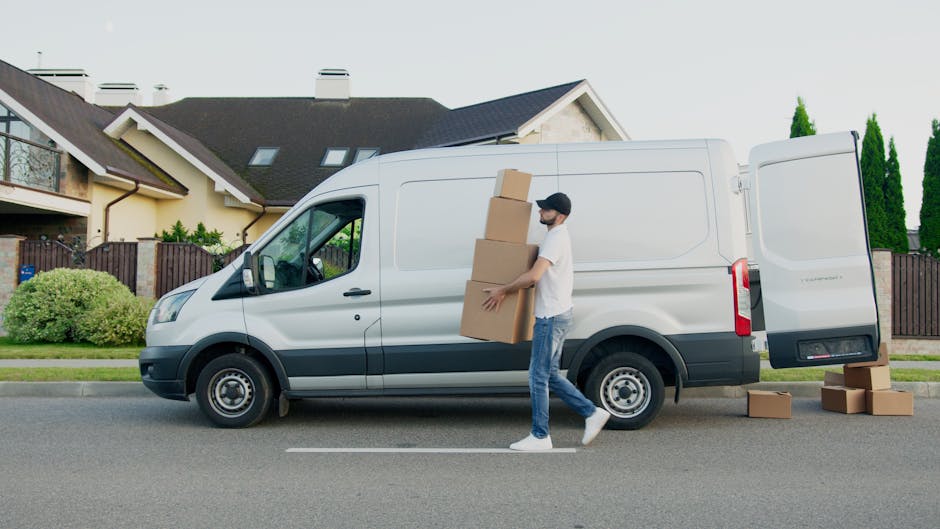
Our man with a van in Tolworth service is designed for practical, straightforward moving help when you need items collected, delivered or transported with care. It suits single loads, part-house moves, furniture runs and other jobs where a full removal lorry would be unnecessary. We focus on careful handling, sensible planning and a clear approach that helps keep your move organised from the first enquiry through to completion.
Because every job is different, the service can be shaped around what you need moved, where it is going and how much support you want at either end. That may mean one helper and a van for a simple collection, or a more involved move that includes lifting, carrying and careful loading. If you are comparing options, our man with van service gives a broader overview of the type of work we handle, while the more detailed sections below explain the practical choices in plain terms.
For a wider view of the work we cover, our moving support can include household items, office contents, furniture and assorted goods that need secure transport. If you already know the broad job size, our removal services page is a useful place to look at how different moves are approached. Tell us what needs moving, how access works and where the items are going, then request a quotation that reflects the actual job rather than a one-size-fits-all estimate.
What the service covers
The strength of a man and van arrangement is flexibility. It can be used for a few larger items, boxes from a flat, shop collections, storage transfers or the contents of a small office. The job may be simple, but it still benefits from planning: the right vehicle space, appropriate lifting and a route that avoids unnecessary handling. A good moving plan reduces the risk of damage and helps the work stay efficient without making the process feel rushed.
If you need something more structured, our removals page is a sensible starting point because it sets out the broader moving work we can support. For customers who are weighing up whether they need a small vehicle or something with more capacity, our moving van option is another helpful reference. The aim is to match the vehicle and labour to the volume and nature of the items, not to overcomplicate a straightforward move.
When arranging this type of service, it helps to think in terms of access, weight and fragility. A compact flat move with narrow stairs needs a different approach from ground-floor loading or a collection with heavy furniture. Clear communication about what is being moved is usually enough to build a workable plan. The better the job is described, the easier it is to assign the right level of support and provide a quotation that reflects the task.
House moves and partial moves

Many customers use a man with a van for house moves that are smaller than a full-scale removals project. That might include a studio flat, a one-bedroom property, a shared house room or a partial move where only selected furniture and boxes are being taken to a new address. We can also help when a customer wants to move a few key items first and complete the rest later, provided the load is clearly explained in advance.
For fuller domestic moves, our home moves page outlines how household contents can be managed in a more coordinated way. Where the property type is especially important, our house removals service is relevant to larger domestic moves that may need extra planning. These pages sit alongside the man and van option because the difference is often about scale, not about a completely different kind of work.
Household moving often involves more than simply carrying boxes. Furniture may need disassembly, awkward items may need careful turning through doorways and fragile pieces may require better packing. When these points are discussed early, the move is usually easier to organise. A concise list of furniture and any access issues is often enough to begin. From there, the next step is simply to request a quotation based on the actual job rather than an assumption.
Packing, loading and careful handling
Packing support can make a meaningful difference to how smoothly a move goes, especially when the load includes crockery, books, electronics or mixed household goods. Careful packing reduces shifting in transit and helps with quicker loading and unloading. Even when customers prefer to pack themselves, it still helps to use sturdy boxes, sensible weight distribution and clear labelling so that the van load can be arranged efficiently and nothing delicate is buried under heavier items.
Our packing and unpacking services are relevant where extra hands are needed before or after transport. Some jobs call for only a little assistance, while others are easier when the packing stage is treated as part of the move itself. The point is not to add complexity; it is to make the transport practical. Well-prepared items are faster to load, easier to protect and simpler to place in the correct order on arrival.
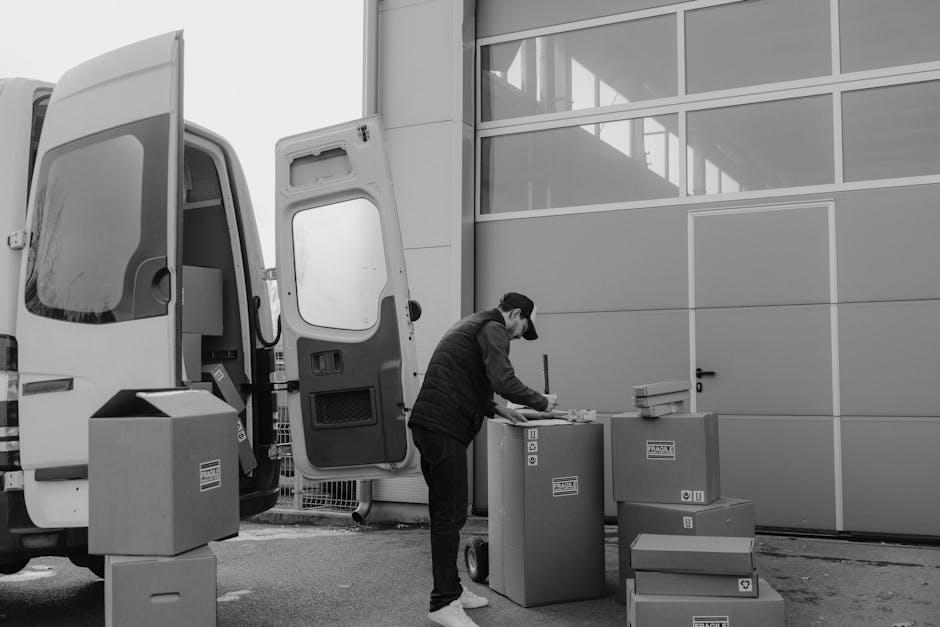
Loading a van properly matters because transport space is limited and the arrangement inside the vehicle affects stability. Heavy items should generally be positioned to create a secure base, with lighter or more fragile items placed where they are less likely to move. Good loading is not just about efficiency; it also reduces avoidable strain on the people carrying the items and helps protect furniture edges, finishes and boxed belongings during the journey.
Furniture and heavier items
Furniture is one of the most common reasons people choose this service. Sofas, wardrobes, tables, beds, desks and cabinets can all be moved with the right handling and vehicle space. Some pieces travel well as they are, while others may need to be taken apart and rebuilt later. The best approach depends on the item, the route out of the property and the amount of room available for turning, lifting and securing the load.
Our furniture pick up page is useful when the job is mainly one or more bulky items, perhaps collected from a retailer, storage unit or private address. For customers who are disposing of or relocating only selected items, this can be the most practical option. If the load is heavy or awkward, it is worth planning for extra time and considering whether any dismantling is needed before the day of transport.
Some items are sensitive to movement because of their shape, finish or weight distribution. Glass tops, mirrored fronts, long shelving units and older wooden furniture all deserve a measured approach. The aim is to move them in a way that respects their condition and avoids unnecessary knocks. If a piece is unusually large, fragile or difficult to carry, say so when asking for a quotation so the transport plan can be set out clearly.
Office and business moves

Businesses also use man and van transport for practical smaller-scale relocations. This may include desks, chairs, filing, archive boxes, display items or stock that needs to move between premises, storage or client locations. A small office move is often about timing and organisation: keeping essential items together, planning loading order and making sure the receiving location is ready for arrival. That applies whether the move is local or part of a longer transfer.
If your project is more clearly commercial, our commercial moves page explains the type of work that can be handled when business property needs relocating. For workplaces that are moving contents as part of a wider change of premises, our office removals service is another relevant option. Both approaches can sit alongside a man with a van arrangement depending on the amount of equipment and the support required.
Office items often need orderly handling because not all of them are interchangeable. Computers, monitors, paperwork and client materials may have to be grouped in a particular way, while furniture might be assembled in the destination in a specific sequence. A moving plan that separates priority items from general stock helps reduce disruption. It is often enough to provide a short inventory and access notes so the vehicle and labour are matched to the scale of the move.
Choosing the right level of support
Not every move needs the same amount of labour. Some customers only need transport, while others need help carrying items from a flat, an office or a storage unit. Choosing the right level of support depends on stairs, lift access, item weight and how quickly the move needs to be completed. A service that is too small can leave you doing more lifting than expected, while one that is too large may be unnecessary for the job.
Our house movers page is helpful when you want to compare a general domestic moving service with a smaller van-based arrangement. You may also find our man and van removals page useful if your move sits between a simple collection and a fuller relocation. The distinction is often about how much assistance is needed and how much volume is being carried rather than the destination itself.
Make the move fit the job. That means considering whether one helper is enough, whether there are awkward items to manoeuvre, and whether loading and unloading can be done without delay. A well-matched service tends to save time and reduce stress, because the vehicle space and manpower are selected for the actual contents rather than for a notional average move.
Pricing factors and quotation details
Prices for a man with a van service are usually shaped by a small number of practical factors: the amount of space needed, the time required, the number of helpers involved, the collection and delivery points, and any handling complications. Stairs, parking restrictions, long carry distances and dismantling requirements can all affect the work. It is better to be accurate about these points at the outset than to leave them until the day of the move.
Our pricing and quotes page is the most direct place to look when you want to understand how a quotation is formed. Clear information about the items, access and route helps keep the price relevant to the job. If there are multiple stops, a return load or time-sensitive coordination, those details should be included as well so the plan is based on the real schedule rather than an assumed single collection.
There is no need to overstate the job size, but equally there is value in being thorough. A short list of large items, box counts where helpful, and notes on entry points can make a quotation much more precise. If you are ready to move ahead, ask for a quotation with the details you already know and add anything uncertain afterwards so the plan can be refined.
About Tolworth
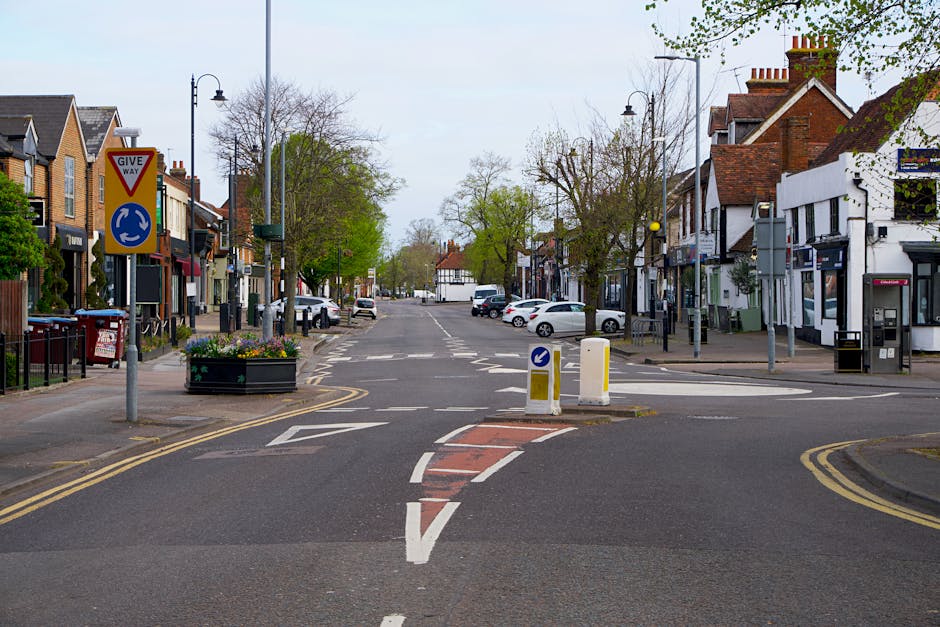
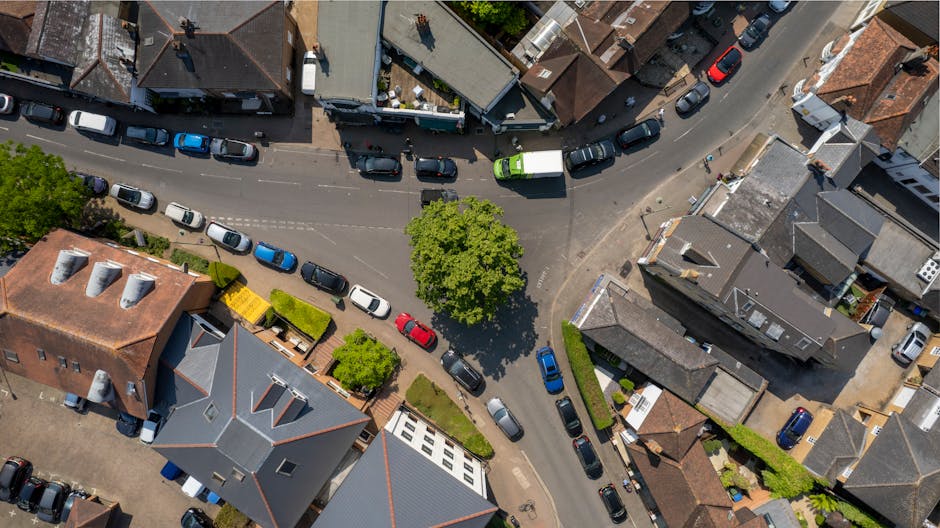
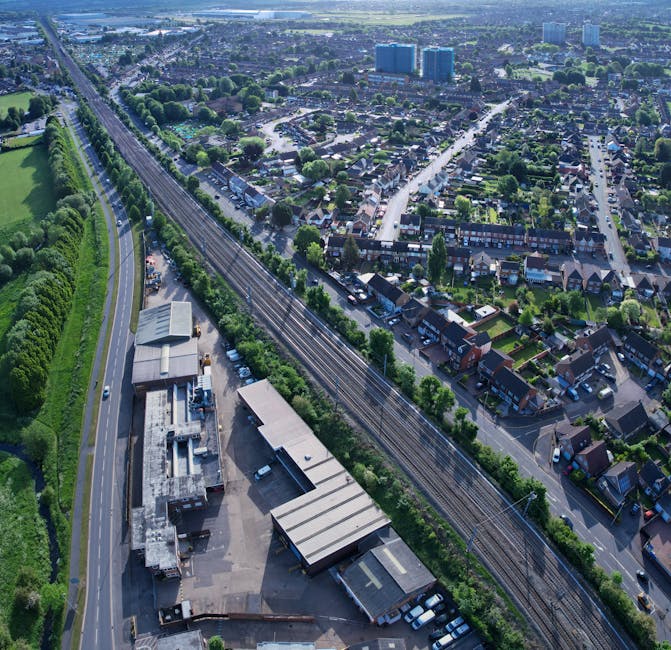
Tolworth is a district in the Royal Borough of Kingston upon Thames in south-west London, positioned close to the boundary with Surbiton and Chessington and linked by the A3 corridor that runs south-west from central London. The area is known for Tolworth Broadway, its shopping and transport focus, and for the railway station that places it on the South Western network. Around the district, the built environment mixes later suburban housing, local parades of shops and the larger open spaces that give this part of London a more spacious feel than many inner districts. Berrylands and the Hogsmill corridor lie within easy reach to the east, while the wider borough contains a strong patchwork of residential streets, parks and older village centres absorbed into suburban growth.
Historically, Tolworth developed from land that was once more rural and gradually became more built up through the expansion of rail and road connections in the nineteenth and twentieth centuries. The name itself is older than the current urban landscape, and traces of earlier settlement patterns remain in the way roads and neighbourhood edges follow older routes. Nearby places such as Kingston, Surbiton and Chessington each add their own character to the wider local geography, but Tolworth has its own recognisable centre, shaped by traffic movement, everyday retail and commuter links. The district is also close to a number of green spaces and sporting grounds, which soften the urban fabric and contribute to the area’s residential identity. Its position on a main transport corridor means it sits between local neighbourhood life and the larger movement patterns that connect south-west London to Surrey and beyond.
Longer moves, storage and repeat transport

Some customers use a man with a van for more than one journey. That may happen during staged house moves, storage transfers or business projects where items are moved in phases. In these cases, the work benefits from a simple schedule that sets out what is travelling first, what remains behind and whether the same items need to be collected again later. This keeps each trip manageable and avoids confusion about which belongings are due to move on which date.
Our removal company page is useful if you want to compare the broader moving support available across different job sizes. For those looking at vehicle and transport-related options, our removal van page is another relevant reference point because it reflects the practical side of carrying household or office goods securely. The main choice is usually whether the move is best treated as a straightforward transport run or as part of a wider relocation plan.
Storage moves often suit a van-based service because the contents can be separated, grouped and delivered in practical batches. When that happens, labelling matters more than ever. Marking boxes by room or use can help later on if items are delivered in stages or unpacked after storage. A measured approach to repeat transport usually works better than trying to force everything into one hurried day.
How to prepare an enquiry
When you ask for a quotation, the most useful information is usually simple and concrete: what needs moving, from where to where, whether there are stairs or parking restrictions, and whether any furniture must be dismantled. If you already know the preferred date, mention that too, especially if the move is tied to a handover, delivery slot or building access window. This helps keep the quotation relevant and avoids unnecessary follow-up.
Our contact page is the place to use when you are ready to send those details and ask for a price. If you are comparing similar services, you can also look at our removals near me page for a broad overview of the moving options available from the website. A straightforward enquiry is usually enough to begin; there is no need to create a long explanation when a concise summary will do.
Before sending the enquiry, it can help to gather a few practical points together: the approximate volume, any especially heavy or delicate items, and whether loading assistance is needed at both ends. That small amount of preparation can make the quote clearer and more useful. Once the details are in place, the next step is simple: request a quotation and let the job be shaped around the actual move.
Additional moving support

Depending on the job, additional support may be useful alongside the man with a van booking. That could include help with unpacking, moving items into a particular room, or arranging the load so that priority belongings are accessible first. Some customers only need transport, while others want a more hands-on approach. The benefit of a flexible service is that the level of help can be kept proportionate to the task rather than bundled into an unnecessarily large package.
Our man with van removal page offers another way to think about the same practical service area, while our removal truck hire page is relevant when the size of the move begins to call for a different vehicle arrangement. Where the load is modest, the smaller van-based choice can remain the simpler option. Where the move grows in scale, the decision can be adjusted before the day so the transport still fits comfortably.
In every case, the most useful outcome is a move that is organised, sensible and matched to the contents. That is what makes the service practical for household, furniture and business transport alike. If you need help planning the next step, request a quotation with your details and keep the scope focused on what really needs moving.