Recycling and Sustainability with Man With A Van Tolworth
 At Man With A Van Tolworth, sustainability is built into the way we work. We know that moving homes, clearing offices, and transporting bulky items can create unnecessary waste if items are not handled carefully. That is why our approach to Tolworth man with a van recycling focuses on reuse first, then responsible recycling, and finally low-impact disposal only when it is truly unavoidable. Our aim is to help customers make greener choices without adding complication to the move.
We are committed to achieving a recycling percentage target of 90% across the items we collect that can be diverted from landfill. This target includes furniture, electricals, cardboard, metals, textiles, and other recyclable materials that can be sorted and processed through approved facilities. By measuring what we recover and where it goes, we can keep improving our Man With A Van Tolworth sustainability standards year after year.
In practical terms, this means separating items carefully during each collection. We look for reusable household goods, salvageable office equipment, and materials that can be broken down for recycling streams. For local residents and businesses in Tolworth and nearby areas, that often includes packaging waste, mixed paper, old shelving, broken appliances, and surplus items from refurbishments. 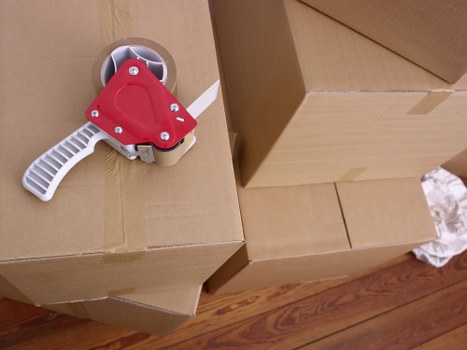 We keep these materials moving toward the correct route instead of sending them straight to disposal.
As part of our greener removals process, we make use of local transfer stations and licensed waste facilities in the surrounding boroughs. These sites help us ensure that collected items are delivered efficiently and sorted in line with current waste regulations. Using nearby transfer stations also reduces journey time, which supports our broader goal of lowering emissions from each job. For customers searching for eco-friendly van hire in Tolworth, this local processing network is a key part of the service.
The boroughs around Tolworth generally encourage clearer separation of waste, especially where mixed recycling, food waste, garden waste, and residual rubbish are collected separately. That approach fits well with our working method. We support households that already sort paper, cardboard, plastics, glass, and metals into designated streams, and we also assist with additional sorting when people are clearing lofts, sheds, garages, or office spaces. This kind of careful handling helps reduce contamination and improves the chance that more material can be recycled properly.
 Our team also works closely with charities and community organisations to extend the life of useful items. Sofas, tables, wardrobes, kitchenware, books, toys, and office furniture may still have years of use left even when they are no longer needed by the original owner. Through partnerships with charities, we aim to direct suitable items toward donation routes first, supporting local people while keeping quality goods out of the waste stream. That is an important part of recycling with Man With A Van Tolworth because reuse is often the greenest option of all.
To strengthen this reuse pathway, we prioritise items that are clean, complete, and safe to pass on. If an object cannot be donated, we then assess whether it can be dismantled for component recovery or sent to a specialist recycler. Metal bed frames, wooden furniture, cables, appliances, and electronic equipment all have different processing routes, and our sorting practices are designed to respect those differences. This helps create a more efficient sustainable van service in Tolworth that benefits both customers and the wider environment.
Our fleet also plays a major role in reducing our environmental impact. We use low-carbon vans that are maintained for efficient fuel use and lower emissions, helping us cut the footprint of every collection and delivery. Route planning is organised to avoid unnecessary mileage, and where possible, we combine jobs in the same area to improve efficiency. For residents and businesses choosing low-carbon removals in Tolworth, this makes a noticeable difference over the course of a move or clearance.
We also recognise the value of responsible handling for renovation and clearance projects common across the area. In many local homes, waste separation may include cardboard from flat-pack furniture, mixed plastics from packing materials, and metals from old fixtures or appliances. By keeping recyclable items distinct from general waste, we can support borough recycling expectations and improve the flow of materials into the right recovery channels. This is especially useful during partial house clearances, end-of-tenancy moves, and office reorganisations where multiple waste types appear together.
 Another part of our sustainability commitment is reducing avoidable waste before it is created. We encourage careful packing, sensible load planning, and the use of reusable materials where possible. Blankets, straps, crates, and durable covers help protect goods without relying on disposable packaging. That not only lowers waste but also improves the safety of the move. For customers looking for green removals in Tolworth, these small operational choices add up to a more responsible service.
We also keep an eye on changing local recycling standards so that our methods remain aligned with current expectations. Borough recycling systems can evolve as new materials become recoverable or as collection rules change, and we adapt our sorting and transfer processes accordingly. This helps us maintain a dependable service for home moves, business relocations, and clearance work while staying focused on environmental responsibility.
 In the end, sustainability is not a separate extra service for Man With A Van Tolworth; it is part of the way we move, sort, donate, and recycle. From our 90% recycling target to local transfer station use, charity partnerships, and low-carbon vans, every step is designed to reduce waste and support a cleaner local area. Whether we are handling a single item or a full property clearance, our commitment remains the same: keep useful items in circulation, recover recyclable materials properly, and minimise environmental impact wherever we can.