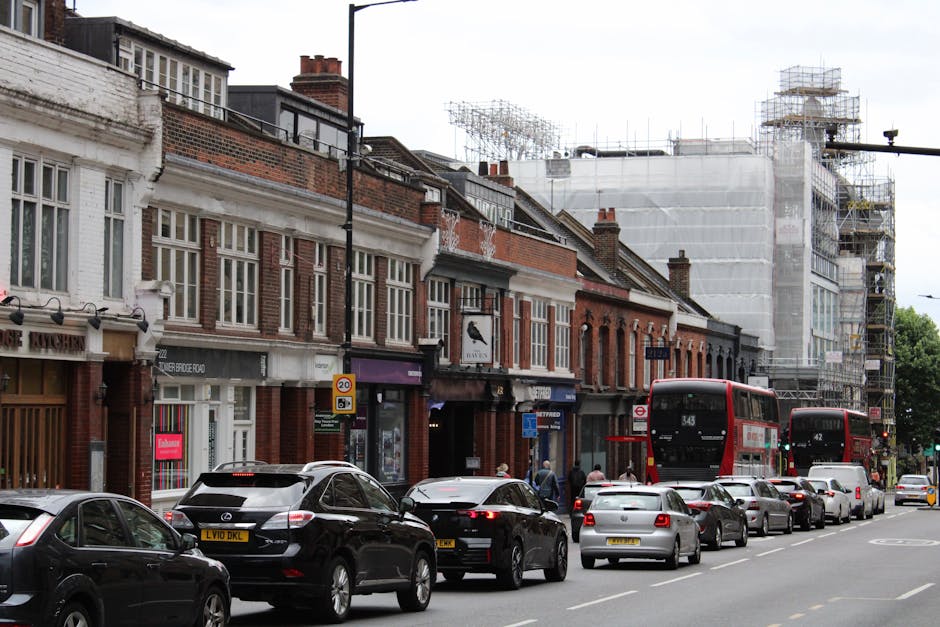
Surbiton Road loading advice for Tolworth removals
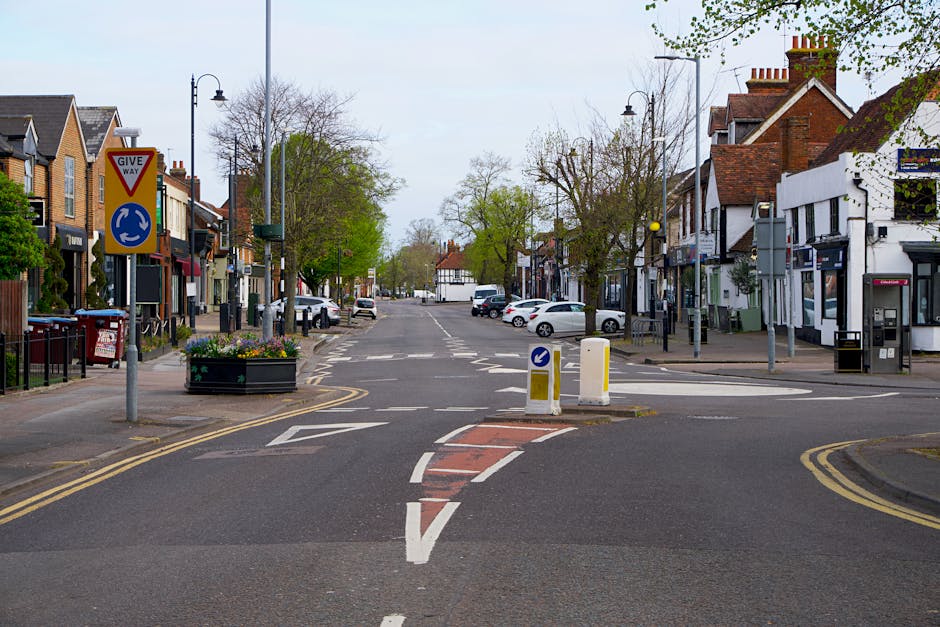
If you are planning a move in KT6, the loading side of the job can make or break the whole day. Surbiton Road loading advice for Tolworth removals is not just about where the van stops; it is about timing, access, parking pressure, neighbour consideration, and getting everything out safely without turning the pavement into a bottleneck. A smooth loading plan saves stress, protects furniture, and keeps the removal team moving at a decent pace. Simple enough in theory. In real life, it can get fiddly fast.
That is especially true in Tolworth, where local roads, station traffic, and mixed residential layouts can create awkward gaps for larger vehicles. The good news is that with a bit of planning, you can avoid the classic headaches: blocking the wrong stretch of road, carrying heavy items too far, or realising the van cannot sit where you expected. This guide walks through the practical side of loading, what to expect, how to prepare, and the common mistakes that catch people out.
If you want a broader look at service options while you plan, you may also find the main removal services page useful, especially if you are comparing support for different move sizes.
Why Surbiton Road loading advice for Tolworth removals Matters
Loading advice matters because removals are won or lost at the kerbside. You can pack well, label boxes carefully, and book the right vehicle, but if the van cannot load efficiently, the whole schedule starts slipping. In Tolworth, even a small delay can ripple through the day: neighbours want access, the next job may be booked, and traffic around busy local routes rarely waits politely.
Surbiton Road loading advice for Tolworth removals helps you think through the practicalities before moving day. Can the vehicle park close enough to the property? Is there space to open doors safely? Will the team need a trolley or extra carrying distance? These questions sound basic, but they are exactly the ones that determine whether loading feels controlled or chaotic.
There is also the human side. Nobody wants to drag wardrobes, mattresses, and boxes down a narrow path while a delivery driver inches past and someone's bins are in the way. A good loading plan reduces friction with neighbours and keeps everyone a bit calmer. Truth be told, calm is underrated on moving day.
For many local households, this matters most where road layout and access are less forgiving. If you are moving near busier corridors, it can help to read more about pavement and parking rules in Tolworth removals alongside your loading plan, because the two go hand in hand.
How Surbiton Road loading advice for Tolworth removals Works
At a practical level, loading advice is a process of matching the move to the street. You start with the property layout, then look at vehicle access, then work out how items will travel from front door to van. Sounds tidy. It rarely is, but that is the framework.
First, identify the safest and shortest route from the property to the loading point. That may be the front drive, a side access path, or a road space near the entrance. Then estimate how long the route will take with bulky items, not just small boxes. A sofa that looks straightforward in the lounge can become awkward at the hallway corner. One slightly annoying right turn and everything slows down.
Next, think about sequencing. Heavy, awkward, or fragile items should usually be handled earlier or separately, depending on the room layout and the removal plan. Mattresses, wardrobes, mirrors, and white goods all behave differently during loading. They need a bit of respect, if you want them to arrive in one piece.
Finally, match the loading method to the vehicle. A smaller van can be more flexible on narrow streets, while a larger removal truck may reduce trips if access is easy enough. If you are unsure which size suits your move, the pages for moving van and moving truck explain the difference in a straightforward way.
In simple terms, the better the loading plan, the less your move depends on guesswork. And that is a good thing. Guesswork is expensive, in time if not always in pounds.
Key Benefits and Practical Advantages
A well-planned loading setup brings more than convenience. It changes the rhythm of the move.
- Less wasted time: the team spends more time carrying items and less time repositioning the van or waiting for a gap in traffic.
- Lower risk of damage: shorter carry distances and clearer routes mean fewer bumps, scrapes, and awkward twists.
- Less stress for everyone: you are not improvising on the driveway while boxes pile up in the hall.
- Better use of labour: if each item has a route and a place in the van, loading becomes more efficient.
- Improved neighbour relations: tidy loading keeps the pavement and road less cluttered.
- More accurate planning: once you know access and vehicle limits, quote expectations and timings become more realistic.
There is a quiet advantage too: confidence. When you know where the van is going and how the furniture will move, you stop second-guessing every step. That matters more than people think. A calm start often leads to a calmer end.
Expert summary: Good loading advice is really about reducing uncertainty. In Tolworth, where access can vary from street to street, the winning move is to plan for the road as carefully as you plan for the packing.
Who This Is For and When It Makes Sense
This kind of guidance is useful for almost anyone moving in or out of Tolworth, but it is especially helpful if your property has limited frontage, shared access, or you expect on-street loading. If the van cannot pull right up to the door, you will feel the difference pretty quickly.
It makes particular sense for:
- households moving from terraces or maisonettes
- flat moves where stairs, corridors, or shared entrances slow down access
- families with large furniture or multiple bulky items
- last-minute or same-day moves where there is less room for error
- customers comparing vehicle sizes and wanting a realistic loading setup
- anyone moving near busier local roads where stopping space is limited
If you are in the "we have a lot of stuff and not much parking" category, this advice is for you. That is not a criticism. It is just life in many London suburbs. The trick is to work with it, not against it.
People arranging commercial moves may also benefit from thinking through loading separately, especially if equipment, desks, or archive boxes need tighter coordination. For that, the commercial moves page is a useful reference point.
Step-by-Step Guidance
Here is the practical version. No fluff, no mystery.
- Walk the route before moving day. Check the path from door to road. Look for steps, tight gates, uneven paving, low branches, or anything that could slow the team down.
- Decide where the van will stand. Aim for the shortest safe loading point. If the road is tight, consider whether a smaller vehicle or staggered loading is more sensible.
- Separate the awkward items. Put heavy, fragile, and oversized items where they are easy to identify. A labelled pile near the exit saves time.
- Clear the front area. Move bins, bikes, plant pots, and anything else that might block the route. It sounds obvious. It is easy to forget.
- Prepare protection materials. Blankets, straps, tape, mattress covers, and door protection can make a big difference to loading speed and safety.
- Load in a sensible order. Large stable items first, then medium boxes, then lighter pieces to fill gaps. Try not to bury things you need early at the destination.
- Keep a quick inventory. A short list or room-by-room checklist helps you spot if something has been left behind.
- Do one final walk-through. Check cupboards, loft access, under beds, and behind doors before the van pulls away.
If your move is being done quickly, the sequence can feel almost musical: lift, turn, place, strap, repeat. Then suddenly the van is full and the kettle is the only thing left in the kitchen. Funny how that happens.
A small but useful point: if you know access is awkward, tell the removal team before the day begins. Not halfway through. Not when the first wardrobe appears. Before. That one conversation can save a lot of breathing out through the teeth.
Expert Tips for Better Results
In our experience, the moves that go best are usually not the fanciest. They are the ones where the basics are handled cleanly.
Think like a loader, not just a packer
Boxes packed by room are useful, but loading is about shape and weight as much as labels. Heavy boxes should stay manageable. Odd-shaped items should be identified early so nobody is discovering a problem at the kerb.
Use the front room as a staging area
If there is space, gather items in one room close to the exit. It avoids traffic through the rest of the house and keeps the hallway from becoming a jumble of box towers. A tidy staging area can shave off several awkward trips.
Protect the floor where it matters
Hallway floors, steps, and doorstep edges take a beating during removals. Simple protection helps reduce slips and scuffs. It also makes the move feel more controlled, which frankly lowers everyone's pulse a little.
Time the load around local conditions
Morning traffic, school runs, and delivery activity can all change the feel of a road in Tolworth. If a route is tight, an earlier start may be worth it. The quiet half-hour before the street wakes up can be golden.
Ask for a vehicle match, not just a vehicle
The right van is not only about size. It is also about access, turning room, and how the driver can position the rear doors safely. A slightly smaller vehicle can be a better choice than a bigger one that causes access stress.
If you are comparing options, the man with van and man and van pages can help you think through how loading support changes with job size and access conditions.
Common Mistakes to Avoid
There are a few predictable traps. Once you know them, they are easier to sidestep.
- Leaving parking until the last minute. If the loading space is awkward, assume it will take longer than expected.
- Underestimating carry distance. Ten metres sounds short until you are carrying a fridge or a wet-weather plant pot in the rain.
- Mixing fragile and heavy items. It seems efficient until something gets crushed. Not ideal.
- Ignoring stairways or tight corners. Those are the places where furniture gets stuck and tempers rise.
- Forgetting waste and unwanted items. Rubbish left near the loading route creates clutter and slows everything down.
- Assuming every van can park the same way. Vehicle type matters more than people expect.
- Not checking building or road restrictions. Shared access, resident bays, yellow lines, and narrow turns can all affect the plan.
One little mistake can create three bigger ones. That is the annoying part. But it is also why preparation pays off. Most loading problems are not dramatic on their own. They just stack up.
Tools, Resources and Recommendations
You do not need a mountain of equipment to load well, but a few practical items make a real difference.
| Tool or resource | Why it helps | Best use case |
|---|---|---|
| Furniture blankets | Helps protect wooden, painted, or delicate surfaces | Large furniture, sharp corners, tight doorways |
| Straps and ties | Keep items stable during loading and transit | Stacked boxes, white goods, awkward shapes |
| Mattress covers | Reduces dirt and scuffing during carry-outs | Beds and soft furnishings |
| Floor protection | Helps prevent slips and marks indoors | Hallways, stairwells, entry routes |
| Labels and markers | Makes room placement and priority loading easier | Busy home moves with multiple rooms |
| Route notes | Helps the team visualise access before arrival | Tricky streets, shared entrances, limited parking |
For packed-up moves, it can also help to review your packing approach in advance. The moving house packing guide gives a useful sense of how good packing supports better loading, because the two really are linked.
If you expect awkward items, specialist advice is worth it. Pianos, antiques, oversized mirrors, and heavy wardrobes are a different story from standard boxes. In those cases, careful handling matters more than speed, and rushing is never clever. Not even a little.
Law, Compliance, Standards, or Best Practice
Loading advice is practical, but it sits inside a wider framework of road use, safety, and reasonable conduct. You do not need to memorise legal text to move house well, but you should understand the basics.
In the UK, vehicles stopping to load should do so considerately and safely, with attention to local parking restrictions, traffic flow, visibility, and pedestrian access. If you are using on-street space, you also need to respect any bay rules, signs, yellow lines, or local permit requirements that apply. Where a location needs a council permit or a controlled loading arrangement, it is better to check ahead than assume it will be fine on the day.
Best practice also matters inside the property. Safe lifting technique, clear walkways, sensible item weights, and protection for floors and walls all reduce the chance of injury or damage. A professional team should work methodically rather than impulsively. That might sound obvious, but let's face it, the temptation to rush is real when the clock is ticking.
It is also sensible to think about insurance and accountability. If items are being moved by a removals team, ask how they handle damage, transport safety, and claims procedure. The site pages on insurance and safety and health and safety policy are helpful if you want to understand the standards behind the service.
Where recycling or disposal is part of the move, keep waste separate from loading piles and avoid leaving unwanted items in shared spaces. The recycling and sustainability page is a sensible place to look if you are planning to clear out responsibly.
Options, Methods, or Comparison Table
There is no single right loading method for every Tolworth move. The best option depends on access, vehicle size, and how much furniture you are moving. Here is a simple comparison.
| Method | Best for | Advantages | Drawbacks |
|---|---|---|---|
| Front-door loading | Homes with direct access or drive space | Shortest carry route, quicker loading | Can be impossible on narrow or busy streets |
| Kerbside loading | On-street moves with enough stopping space | Flexible and efficient if safe parking is available | Depends heavily on local traffic and restrictions |
| Staggered loading | Busy homes or multi-room moves | Reduces congestion indoors, keeps the route clearer | Needs discipline to avoid confusion |
| Smaller-vehicle shuttle | Tight roads or limited turning space | Improves access where larger vehicles struggle | May take longer if more trips are needed |
For some moves, a compact vehicle with careful sequencing beats a large truck that cannot position properly. For others, especially bigger house moves, a full-size vehicle is absolutely the right call. There is no hero award for choosing the biggest van if it makes everything harder. You just want the right fit.
If you are still comparing move types, the broader home moves and house removals pages may help you frame what level of support you actually need.
Case Study or Real-World Example
Picture a typical Tolworth move on a weekday morning. A two-bedroom flat is being cleared, with a sofa, dining table, bed frames, several boxes, and a few awkward extras like a mirror and a tall plant. The road is not impossible, but it is not generous either. There is passing traffic, a couple of parked cars, and the usual chorus of everyday life in the background.
Instead of trying to bring the largest vehicle right to the door, the team checks the route first. The flat owner has already moved bins aside, labelled boxes by room, and set aside fragile items. The loading point is chosen to keep carry distance short without blocking access more than necessary. One person handles the light boxes, another manages furniture protection, and the bulky pieces are loaded early while the route is clear.
Because the plan was sorted in advance, there is no confusion about what goes first. Nobody is wandering back and forth asking where the lamp box ended up. That alone saves time. The move still has the usual little bumps-a door that sticks a bit, a box that needs re-taping, the odd "where did this come from?" moment-but it stays under control. By lunchtime, the van is away and the flat is nearly clear.
The lesson is simple. Most successful loading is not about perfect conditions. It is about making ordinary conditions work well enough. That is usually all you need.
Practical Checklist
Use this checklist the day before and again on the morning of the move.
- Confirm where the vehicle can safely stop for loading
- Check for any parking restrictions, resident bays, or permit issues
- Clear the front path, hallway, and stair route
- Separate fragile, heavy, and oversized items
- Prepare blankets, straps, tape, and protective covers
- Label rooms or box groups clearly
- Keep water, keys, documents, and essentials in one easy-to-reach place
- Do a final cupboard, loft, and under-bed check
- Plan how you will handle waste or items being removed
- Tell the removal team about anything awkward before they arrive
A small checklist like this can save a lot of backtracking. And moving day already creates enough backtracking on its own.
Conclusion
Surbiton Road loading advice for Tolworth removals is really about one thing: making the road, the property, and the van work together instead of fighting each other. When you get the loading side right, the whole move feels more predictable, safer, and far less frantic. You do not need perfection. You just need a clear plan, a realistic view of access, and a bit of respect for the practical details.
Whether you are moving from a flat, a family home, or a business premises, the same principle applies. Shorter carry distances, better vehicle choice, and sensible sequencing will usually beat last-minute improvisation. Every time, almost. Well, not every time, but close enough to matter.
Get a free quote today and see how much you can save.
If you are still shaping your moving plan, the pricing and quotes page is a useful next stop for understanding how your requirements may affect the overall job.
In the end, a good move is often just a well-loaded one. Keep it simple, keep it safe, and give yourself a bit of breathing room.
Frequently Asked Questions
What is the main purpose of Surbiton Road loading advice for Tolworth removals?
The main purpose is to help you plan where the removal vehicle will stop, how items will be carried, and how to avoid delays or access problems on moving day. It is about making the loading phase safer and more efficient.
Do I need special permission to load on a Tolworth road?
That depends on the exact location, parking restrictions, and whether the stopping space falls under local control. Some streets are straightforward, while others need closer checking. It is always better to confirm in advance than assume it will be fine.
Is a smaller van better than a larger removal truck?
Not always. A smaller vehicle can be better on tight roads or where parking is limited, while a larger vehicle may be more efficient for bigger moves if access is easy. The best choice is the one that fits both the property and the street.
How early should I think about loading arrangements?
Ideally, a few days before the move. If access is awkward or parking is tight, think about it sooner. The more notice you give, the easier it is to choose the right vehicle and loading method.
What items should be loaded first?
Usually the larger, heavier, or more awkward pieces go first so they can be positioned securely in the van. After that, smaller boxes and lighter items can fill the remaining space. The exact order may vary depending on the route and layout.
What if Surbiton Road is busy on my moving day?
If the road is busy, your best option may be to adjust the time, use a smaller vehicle, or set up a quicker loading point. Busy roads can slow everything down, so flexibility helps a lot.
How do I protect furniture while loading?
Use blankets, covers, and straps where appropriate, and make sure corners and door frames are protected. Good packing helps too. Furniture that is well prepared loads faster and is less likely to suffer scratches or knocks.
Can I combine loading advice with a same-day move?
Yes, but same-day moves need tighter coordination. You should be extra clear about access, item sizes, and vehicle choice. If timing is tight, even small delays can become noticeable.
What are the biggest loading mistakes people make?
The most common mistakes are poor parking planning, underestimating carry distance, forgetting restricted access, and not separating fragile items. These sound small, but they can slow the whole move down.
Should I clear unwanted items before the removal team arrives?
Yes, if possible. Removing clutter, waste, and items you do not want to take with you makes loading cleaner and safer. It also helps the team focus on the items that actually matter.
How do I know if my move needs professional loading support?
If you have heavy furniture, awkward access, stairs, limited parking, or a larger volume of items, professional support is usually worth it. Even when the job seems simple, having experienced help can make the day feel much less hectic.
Where can I compare different removal options for Tolworth moves?
You can look at the available services and move types on the site to understand which option fits your situation best. If you are unsure, comparing the vehicle style, access needs, and overall job size is a sensible place to start.